Chess
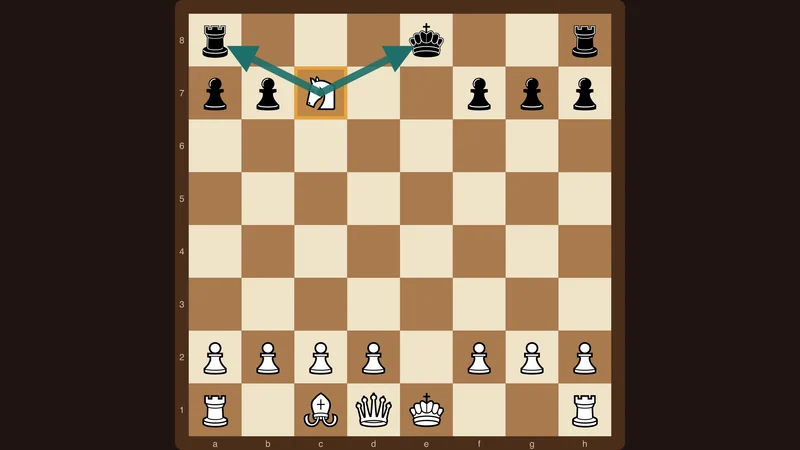
Forks, Pins and Skewers: The Three Tactics That Win Most Games
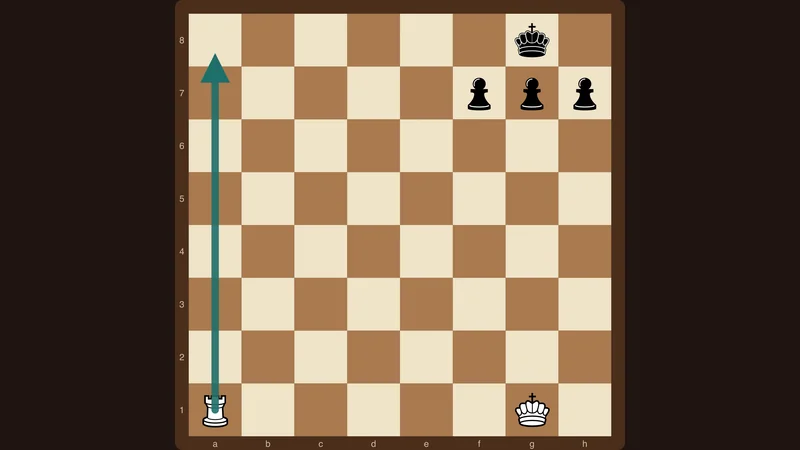
Learn how forks, pins, and skewers work in chess, how to spot them turns in advance, and the practical defensive habits that keep your pieces secure.
Blog
History, science and straight answers about the three games we make.
Chess
Learn how forks, pins, and skewers work in chess, how to spot them turns in advance, and the practical defensive habits that keep your pieces secure.
Backgammon
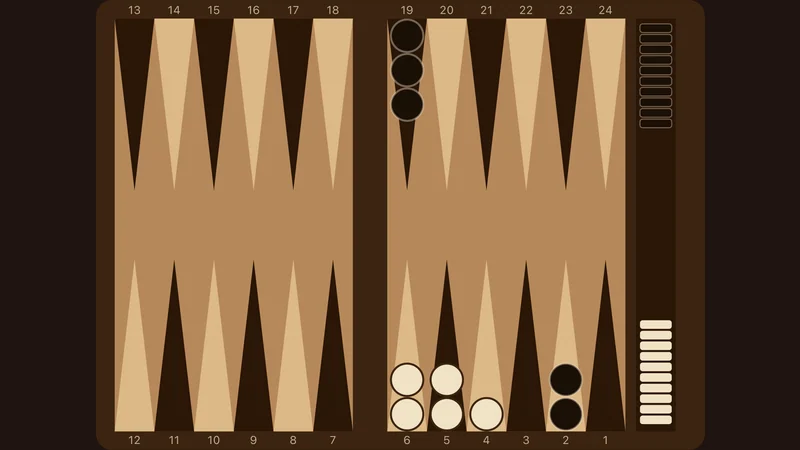
Learn how to count pips in backgammon in seconds using cluster counting, symmetry cancellation, and the 8–9–12 race rule for doubling decisions.
Checkers
Discover how checkers evolved from ancient alquerque into chess-board draughts, branched into global variants, and was mathematically solved in 2007.
Backgammon
Learn the best rollout-verified moves for all 15 backgammon opening rolls, why 3-1 is the best start, and how neural net engines changed opening theory.
Chess
Learn what a back-rank mate is in chess, how an escape square prevents it, and the defensive habits that keep your king safe from sudden tactical attacks.
Backgammon
Learn how bearing off works in backgammon, how to clear checkers against an anchor, and the rules that keep you safe from late blunders.
Backgammon
Learn what Performance Rating (PR) measures in backgammon, how the formula works, and five checker and cube habits that will bring your rating down.
Backgammon
Fair dice come in streaks, so they feel rigged. See what 438,679 rolls on our server looked like, and how to check a roll in an online game you play.