Chess
Does Chess Make You Smarter? What the Science Really Shows
Examine what the largest randomized trials and cognitive psychology reveal about chess, intelligence, working memory, and academic transfer.
What happens behind the board, explained plainly.
Chess
Examine what the largest randomized trials and cognitive psychology reveal about chess, intelligence, working memory, and academic transfer.
Chess
Compare the Italian Game, London System, and Queen’s Gambit to find your ideal first chess opening, master core principles, and avoid early traps.
Backgammon
Learn when to double and when to take in backgammon. Plain-language guide to the 25% take point, the doubling window, live cube leverage, and market loss.
Chess
Discover how Maia Chess models genuine human intuition, why traditional bots blunder unnaturally, and how human-like neural networks transform chess training.
Chess
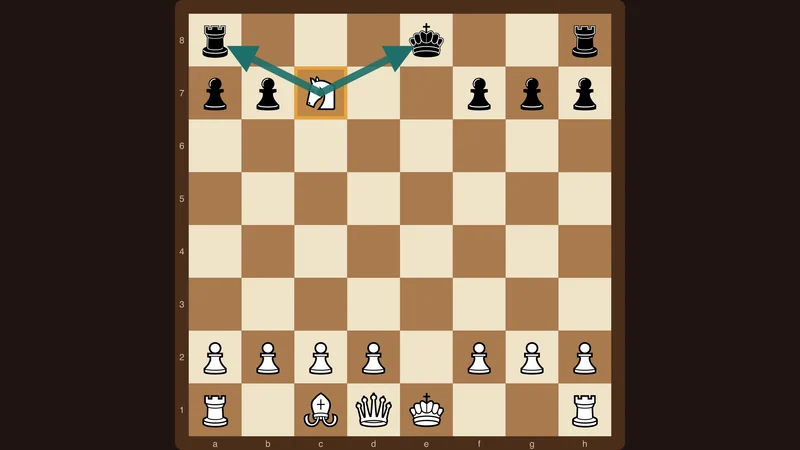
Learn how forks, pins, and skewers work in chess, how to spot them turns in advance, and the practical defensive habits that keep your pieces secure.
Backgammon
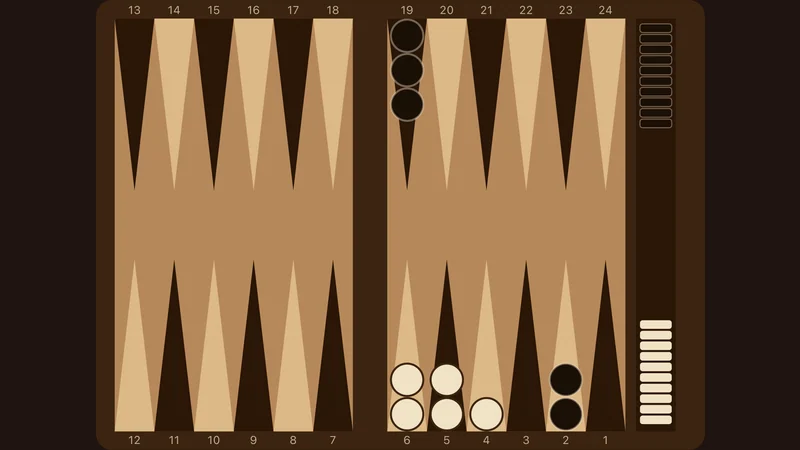
Learn how to count pips in backgammon in seconds using cluster counting, symmetry cancellation, and the 8–9–12 race rule for doubling decisions.
Chess
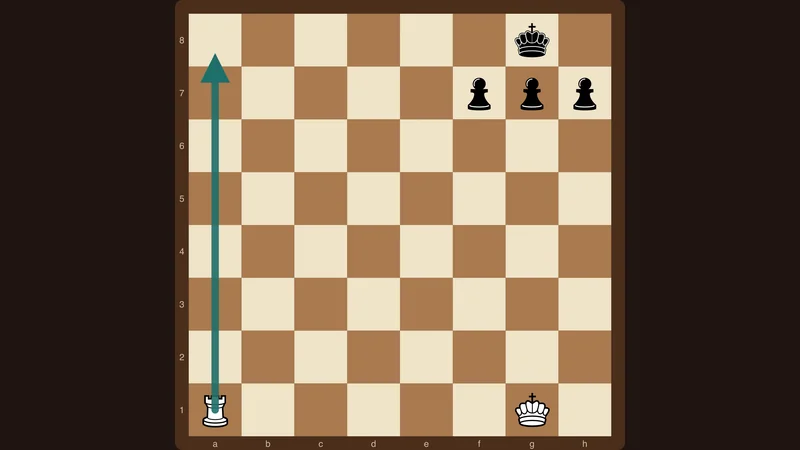
Learn what a back-rank mate is in chess, how an escape square prevents it, and the defensive habits that keep your king safe from sudden tactical attacks.
Backgammon
Learn how bearing off works in backgammon, how to clear checkers against an anchor, and the rules that keep you safe from late blunders.
Backgammon
Learn what Performance Rating (PR) measures in backgammon, how the formula works, and five checker and cube habits that will bring your rating down.
Backgammon
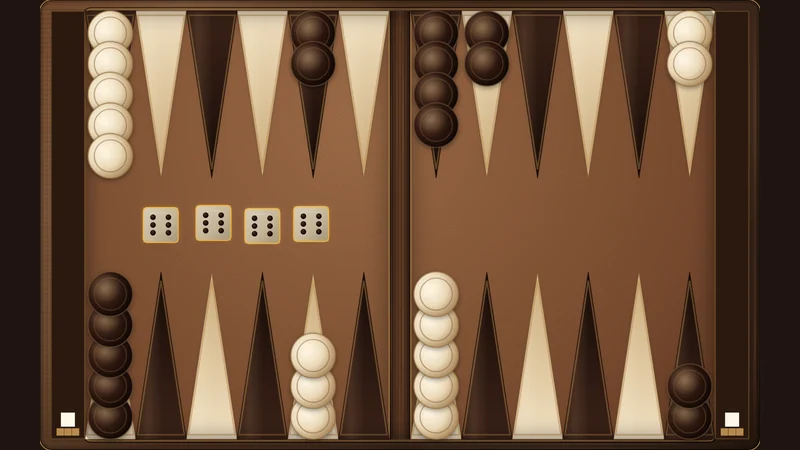
Fair dice come in streaks, so they feel rigged. See what 438,679 rolls on our server looked like, and how to check a roll in an online game you play.